







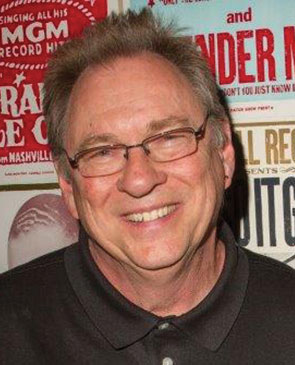
by Menzie Pittman, Author of The New Musician
No matter your role in the music industry, I think we can all agree that the profession has changed dramatically. Some would say it’s for the better, and some would disagree with that assessment. We could all sit around and talk about it incessantly, or we could actually attempt to understand the changes in trends, and make the necessary adjustments to put us in the best position to succeed. It’s important to remember that we, too, can affect change.
In today’s market, the changes continue to become more and more widespread.
They affect every aspect of the industry from retail products to music education to performance, and most importantly, the music itself. Don’t believe me? Take a look at what is quietly happening to the format of popular songs. The percentage of one-tempo, pop tunes has been inching closer and closer to 100%. Short snippets of the songs that stand out go viral on platforms like TikTok and Instagram Reels, encouraging the listener to seek out new artists and learn more about the music that catches their attention. This process used to happen through 45 RPM records. There was one noticeable difference though, the songs on 45 RPM records were complete works. They were songs, not snippets of songs.
Don’t get me wrong — I’m okay with the idea of advertising, but lately, video ads have become the product. So instead of “watching the show,” consumers are in it for the commercials. Sounds like a Super Bowl mentality. But the truth remains: the format is definitely changing.
Sting said it best in his interview with Rick Beato, when he shared that the critically important role of the Bridge of a song has all but been eliminated. The new formula is more of a punch and run approach — a quick attack, followed by a fast escape. When I heard that, I immediately thought of Led Zeppelin. They tried to tell us in their 1973 song “The Crunge”: Ah, excuse me, Oh, will you excuse me? I’m just trying to find the bridge, has anybody seen the bridge? I ain’t seen the bridge, where’s that confounded bridge? I guess we didn’t listen.
As a music retailer, the changes I have witnessed are just as extreme as the ones happening within the recording industry.
As crazy as it sounds, some folks are just fine buying an instrument they haven’t played, and our industry seems to be okay with that as long as the sale is made. It’s difficult for me to wrap my head around that, but in comparison, some people today buy cars without ever having test driven them.
Back in the heyday of independent music retailers, as you grew as a musician, you developed a trusted relationship with your favorite music shop. You knew that the prices you were quoted were based in that trust, and the prices were dependable and fair. One secret that was known among the high profile players was that the better you played, the higher your visibility, and the lower your prices. There was mutual respect in the relationship.
Today’s most successful independent music shops are well aware that this old trend is worth revisiting. Some aspects of independent retail have disappeared, but I see the phoenix as rising. Strong independent dealers have invested more in the customer experience. They have to in order to survive.
Consumers are bored with swimming in the kiddie pool. Have you been to a big-box chain lately? And I don’t just mean music retail; I am referring to all big-box experiences. It doesn’t matter what industry it is — bigger, less personalized experiences are like a syringe of filler. It’s alluring at first, but the appeal pales over time. Bed Bath & Beyond anybody?
Want an example of where I believe we are headed?
Look up Old Music Friday with Owen Cutts, or @owencutts on Instagram. His page is followed by artists like Jacob Collier, Seal, and J-Dash. Cutts is dedicated to reviewing music that played well, back in the days of feel. He dives deep into the idiosyncrasies of great musicianship, brilliant writing, earthy production, and why these songs and artists continue to speak to audiences today. His personal style is hysterical, and he’s a great musician and producer in his own right. It’s Old School meets New Platform. It’s funny, yet historically accurate and informative. The reason it’s relevant is simple: it’s about artists who broke the rules, and set new trends. Those artists took the music business in new and expanded directions. They used the latest technology, even inventing it as they went, and the music was a playground for creative thinking. What’s more exciting than that?










Looking Back on 2025: A Year of Controlled Chaos (Emphasis on “Controlled”)