
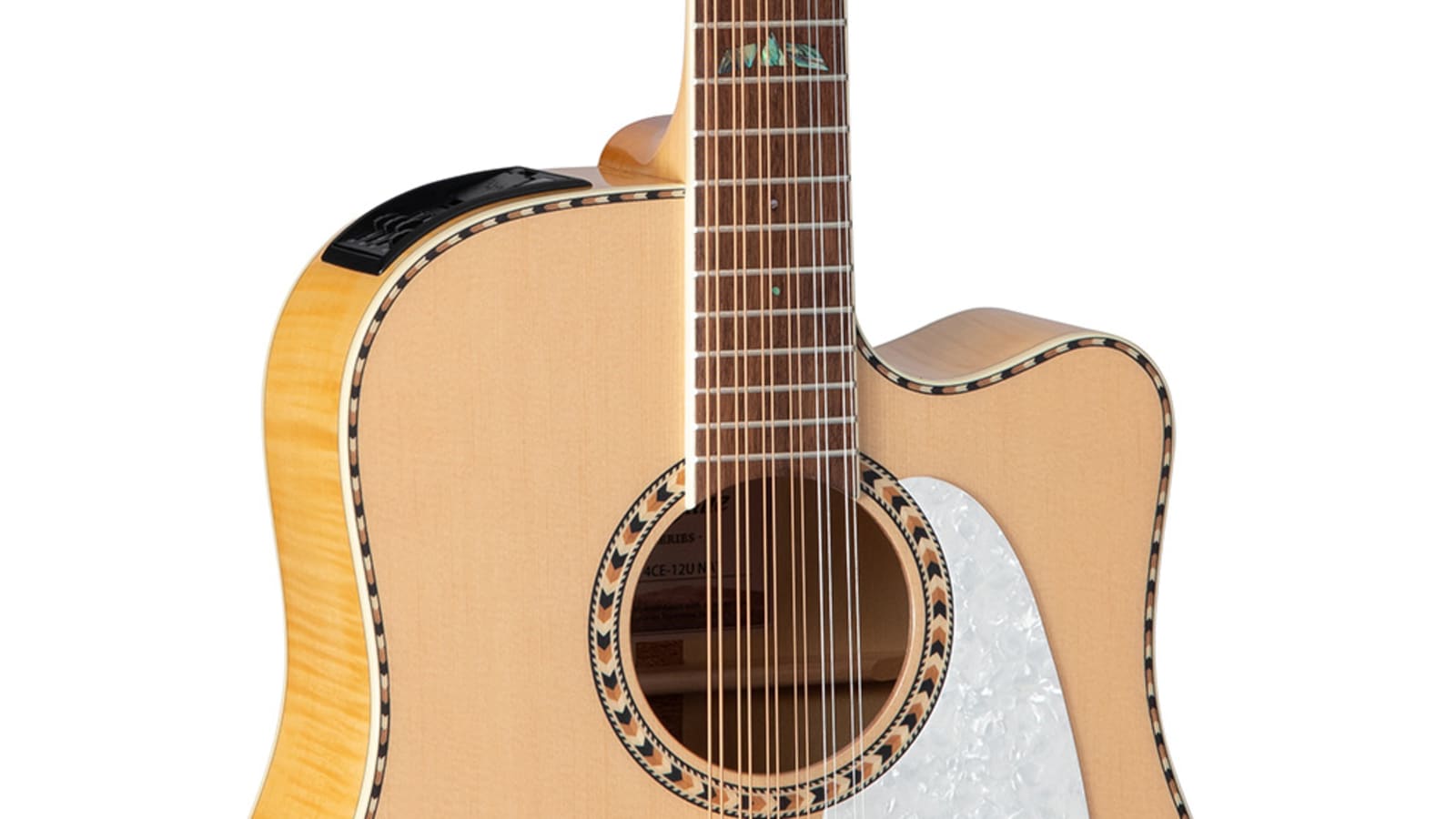
The shimmer of a 12-string guitar is one of those sounds that can stop you in your tracks. A single strum can fill a room in a way that seems to defy physics — rich, chorused, and unmistakably bigger than the sum of its parts. For generations of players, that sound has been synonymous with everything from folk-rock anthems to stadium-sized acoustic textures. And while the 12-string has never quite matched the six-string’s sheer ubiquity, its mystique — and its musical impact — remain undeniable.
That enduring appeal is what inspired this issue’s cover feature, a roundtable discussion with representatives from some of the industry’s leading acoustic brands. We gathered voices from C. F. Martin & Co., Taylor Guitars, Yamaha, Ibanez, and Takamine to talk about the state of the 12-string market — where it’s been, where it’s going, and why it continues to capture the imagination of players and builders alike.
If the 12-string occupies a slightly niche position in the broader guitar market, that’s hardly a disadvantage. In fact, its distinctiveness may be its greatest strength. Most players don’t buy a 12-string as their first guitar; they buy one because they’re looking for something different — a new color on the tonal palette. For retailers, that can make the instrument an important “step-up” or “add-on” sale for customers who already own one or more six-strings but want to expand their sonic options.
Interestingly, one of the areas where the 12-string is seeing particularly strong momentum today is within the Latin music market. Across a range of regional styles, the instrument’s natural chorus effect and rhythmic presence make it a perfect fit, and many dealers report growing demand from players drawn to that bright, expansive sound. It’s a reminder that instruments often find new life when they intersect with evolving musical trends — and that a design that’s been around for decades can still feel fresh when heard in a new context.
Of course, the 12-string’s unique character also brings unique challenges. Anyone who has owned one knows the drill: twice the strings, twice the tuning time, and a setup that demands a little extra care. Modern design and manufacturing have made these instruments far more player-friendly than their predecessors, but the perception of complexity still lingers among some consumers. That’s where knowledgeable dealers can make all the difference, helping players understand how far the category has come and why the payoff — that unmistakable shimmer — is worth it.
From a merchandising perspective, the 12-string is also a reminder that not every product in a store needs to be a high-volume mover to earn its keep. Sometimes an instrument’s value lies in the inspiration it provides. A well-placed 12-string on the wall can stop a customer mid-strum, spark a conversation, or even inspire a song. In an age where so much of the buying journey happens online, those moments of discovery inside a music store remain one of brick-and-mortar retail’s greatest advantages.
And then there’s the simple fact that certain sounds never go out of style. The 12-string’s signature chime has echoed through decades of recordings and performances, weaving its way through multiple genres and musical eras. That legacy continues to resonate with players today, whether they’re chasing vintage tones, exploring new genres, or — increasingly — bringing that unmistakable shimmer into contemporary Latin music.
In that sense, the 12-string is a perfect example of what makes the musical instrument business so rewarding. Our industry sits at the intersection of tradition and innovation — honoring classic sounds while continually finding new ways to deliver them to the next generation of musicians. The instruments may evolve, the technology may advance, and the market may shift, but the underlying goal remains the same: helping people make music.
Sometimes, it just takes a few extra strings to make that happen.