Winning Music Director Bill Sherman Relies on AEA Ribbon Microphones to Shape the Sound of Sesame StreetR44CX and R88 ribbon microphones help capture dozens of cues each week for one of television’s longest-running children’s programs
Brooklyn, New York, August 5, 2026 — For more than 16 seasons, Emmy, Grammy and Tony-winning composer and producer Bill Sherman has served as music director for Sesame Street. Week after week, he oversees a fast-paced production schedule that blends songwriting, orchestration, and recording, supported by a trusted set of tools, including AEA ribbon microphones.
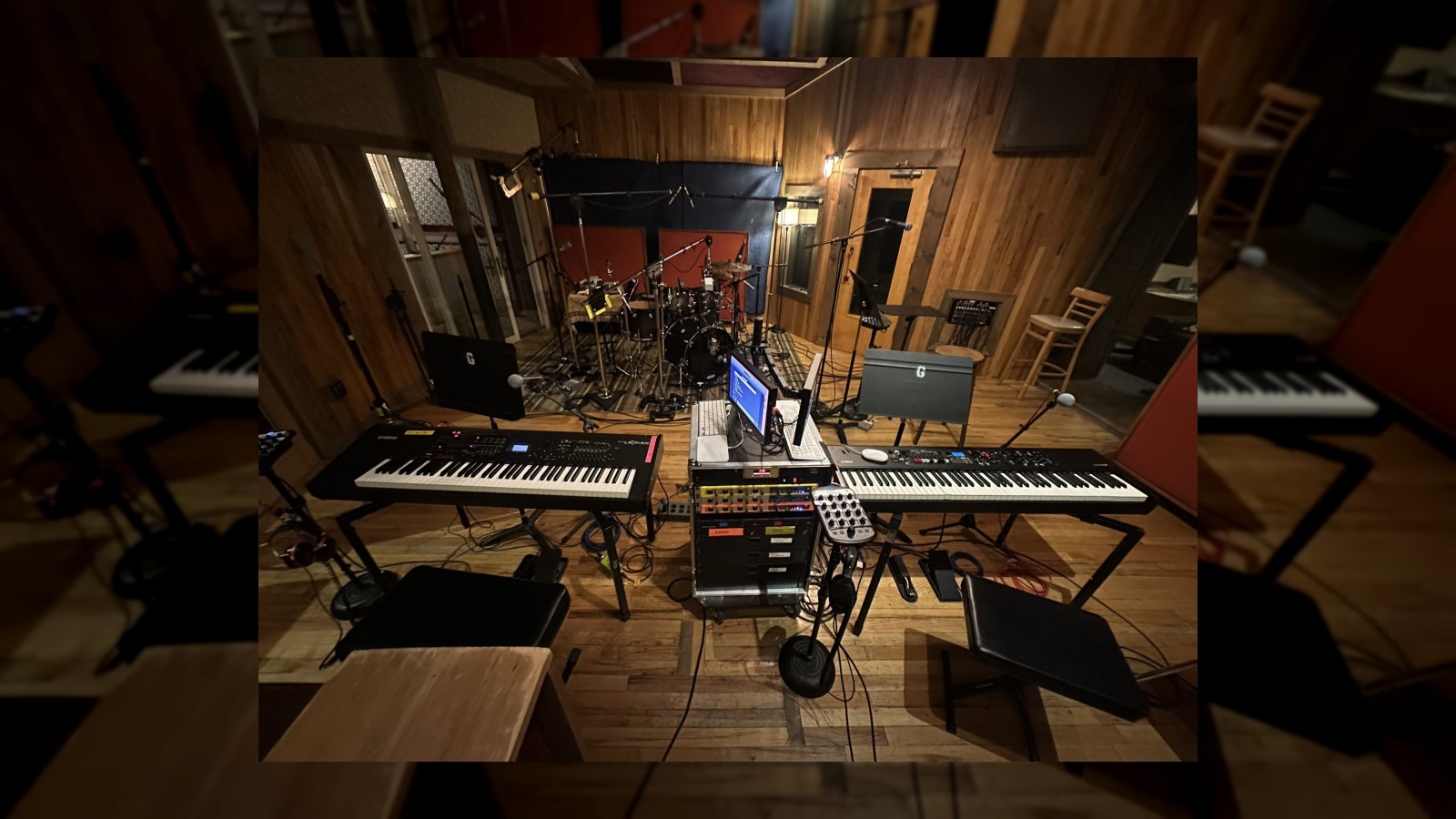
Unlike many modern children’s television programs, Sesame Street continues to rely on an eight-piece live band, with sessions recorded at Studio Gin Brooklyn. The ensemble, which includes a rhythm section, horns, and woodwinds, performs new material each week as part of a production cycle that can involve recording dozens of cues in a single day.
“We do anywhere from 30 to 40 cues of music every week,” Sherman explains. “It’s rhythm section in the morning, horns in the afternoon, and then we’re mixing and turning things around quickly.”
Sherman relies on a recording setup built around AEA ribbon microphones, using different models throughout the sessions depending on the instrument and application. “We use AEA mics on the drums and in the room all the time,” Sherman says. “That’s where they really shine for us. We also use them on horns, and they just sound fantastic.”
That confidence allows Sherman to stay focused on the music rather than the equipment. “When you get to a certain point, you go with what you know sounds good,” Sherman says. “If I start worrying about whether something is going to work, it takes away from the creative process. With these mics, we know what we’re going to get.”
Working alongside Sherman, engineer Tyler Hartman is responsible for capturing the performances. For the rhythm section, he uses the AEA R44CX on upright bass, pairing it with a condenser microphone as part of his recording setup. “This gives me an amazing combination of smooth low end to capture the body with the R44CX and precision and clarity with the condenser. When I first pushed the fader up, I immediately fell in love with the sound,” Hartman says.
For drums, Hartman places a second AEA R44CX in front of the kit, using it as a front-of-kit microphone that is blended with the overheads during mixing. “When mixing drums, I start with the stereo overheads, then I push up the R44CX to add some heft to the drum sound,” Hartman explains. “The more I compress this mic, the more of the rear of the mic I can hear. It really adds a nice depth to the kit.”
For the horn section, Hartman uses AEA R44CX microphones on trumpet and trombone, while an AEA R88 stereo ribbon is positioned approximately eight feet back at head height to capture the room and blend the ensemble naturally. “The R44CX is just bright enough that I don’t need to add any top end during the mix, and the R88 really helps to homogenize the horn sound,” Hartman says.
For more information, visit aearibbonmics.com.