
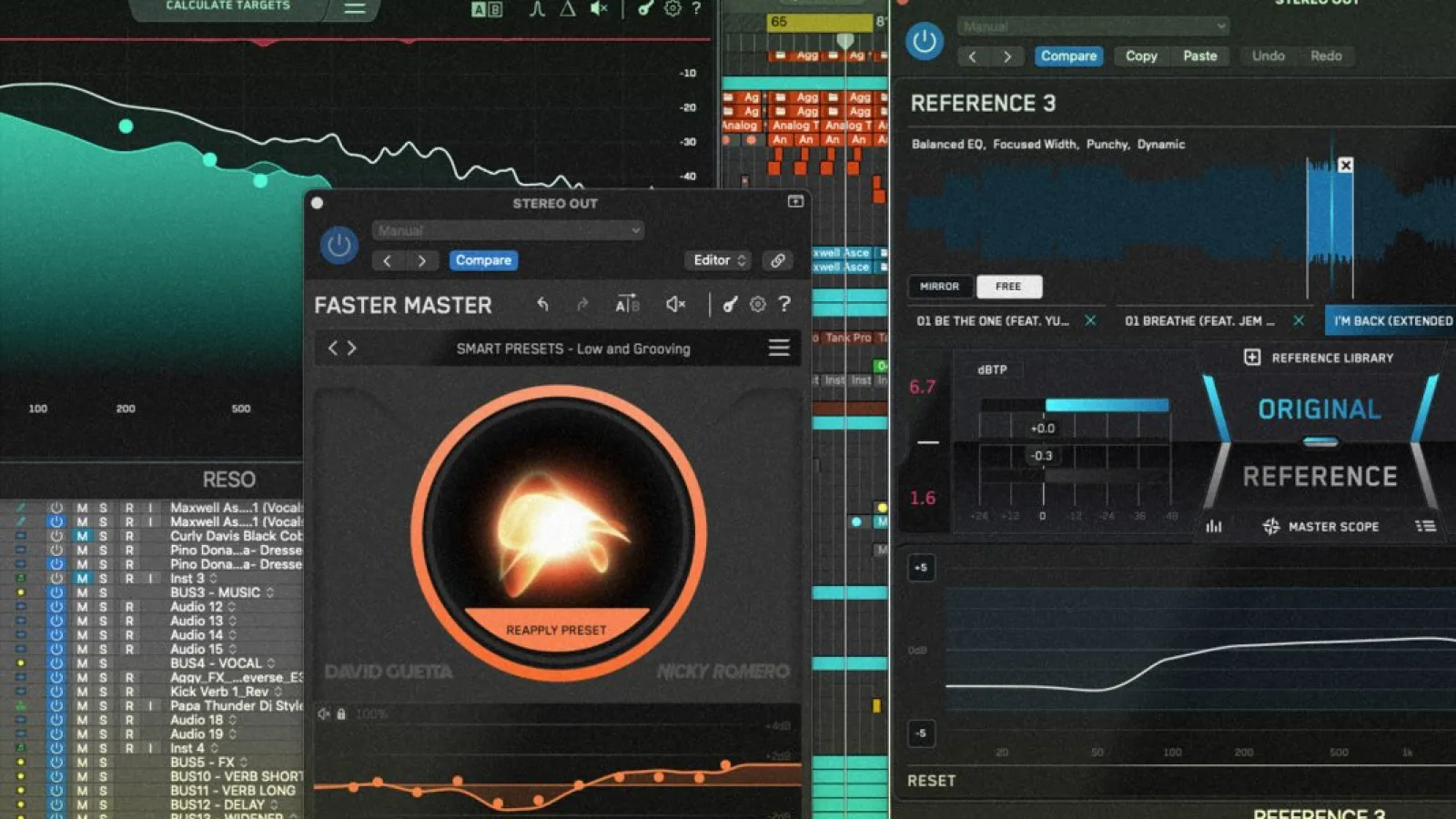
The final step in music production, mastering, involves refining the stereo file to achieve a polished sound, according to MusicTech. This process intends to ensure that a track is comparable to professionally produced recordings.
According to MusicTech, mastering engineers cannot resolve problems originating from an inadequate mix, but they can make adjustments to the overall tonal balance. The process can also address issues related to loudness, dynamics, and compatibility in mono playback.
MusicTech suggests leaving sufficient space, or headroom, in the mix bus during the initial stages, specifically between -3dB and -6dB. They also recommend exporting audio files at the original project sample rate and a high bit-depth, typically 24-bit/44.1kHz. A typical mastering sequence can include techniques such as resonance reduction, adjustments to the stereo image, and tonal refinement.
To improve the mastering process, MusicTech recommends using reference tracks to compare and identify areas for potential improvement. Quality control procedures should involve careful listening for errors and employing tools to detect any underlying issues. MusicTech also highlights plugins such as RESO, FASTER MASTER, REFERENCE 3, and EXPOSE 2 as useful tools for mastering.
For more information, visit musictech.com.